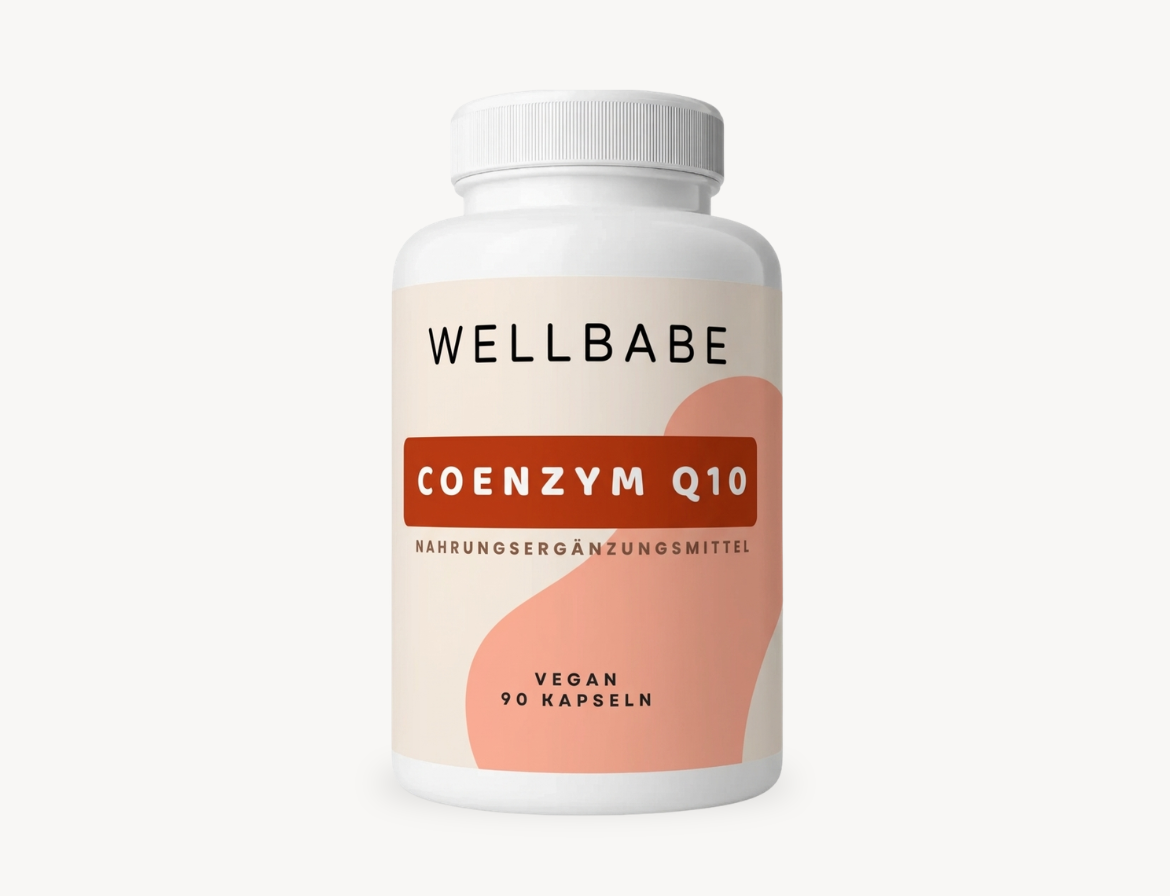
BfR (2023): Coenzym Q10: Was ist über gesundheitliche Risiken bekannt und was nicht? Aktualisierte Fragen und Antworten des BfR vom 09. November 2023. https://www.bfr.bund.de/veroeffentlichung/coenzym-q10-was-ist-ueber-gesundheitliche-risiken-bekannt-und-was-nicht/
BfR (2023): Coenzyme Q10: What is known about the health risks and what isn’t? BfR Opinion No. 030/2023. https://www.bfr.bund.de
EFSA NDA Panel (2010): Scientific Opinion on the substantiation of health claims related to coenzyme Q10. EFSA Journal, 8(10), 1793. https://doi.org/10.2903/j.efsa.2010.1793
EFSA NDA Panel (2010): Scientific Opinion on the substantiation of health claims related to vitamin E. EFSA Journal, 8(10), 1816. https://doi.org/10.2903/j.efsa.2010.1816
Mantle D, Hargreaves IP (2019): Coenzyme Q10 and Degenerative Disorders Affecting Longevity: An Overview. Antioxidants, 8(2), 44. https://doi.org/10.3390/antiox8020044
Garrido-Maraver J, Cordero MD, Oropesa-Ávila M, et al. (2014): Clinical applications of coenzyme Q10. Frontiers in Bioscience, 19, 619–633. https://doi.org/10.2741/4231
HEALTH-CLAIMS-TABELLE
Nutzungsbedingungen: Die Tagesdosis liefert 100% des NRV für Vitamin E und erfüllt damit die Voraussetzungen für den genannten Vitamin-E-Claim. Nicht geeignet für Schwangere, Stillende sowie Kinder und Jugendliche unter 18 Jahren.